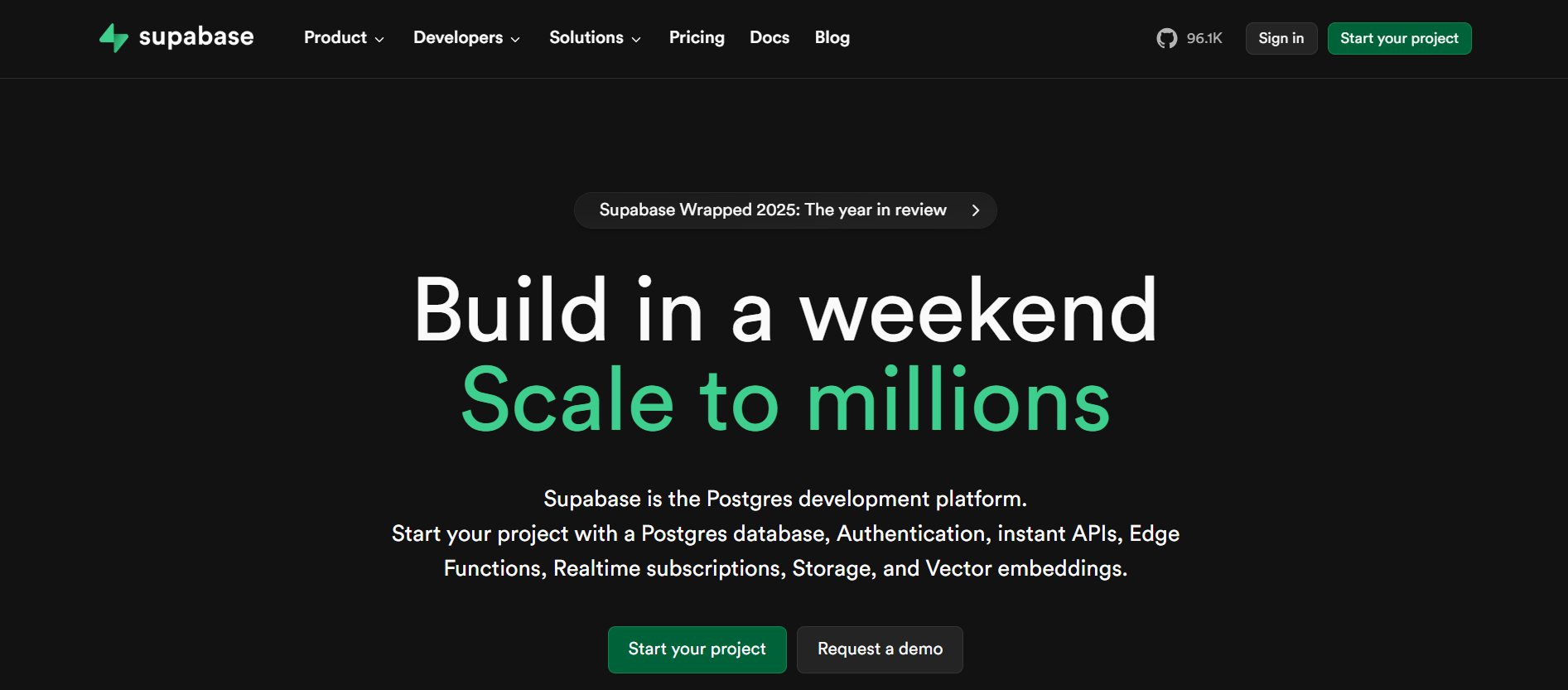
Quick Answer: Supabase is a comprehensive "Backend-as-a-Service" (BaaS) platform built on top of PostgreSQL. It provides developers with a suite of tools that typically take months to build from scratch: a real-time database, authentication, file storage, edge functions, and even vector embeddings for AI applications. Unlike its main competitor Firebase, Supabase is open-source and avoids "vendor lock-in." For founders who value data integrity and want to avoid being trapped in a proprietary ecosystem, Supabase is a top-tier recommendation that combines the speed of a BaaS with the professional-grade power of Postgres.
Building a scalable backend used to require a dedicated DevOps team and months of infrastructure planning. Today, developers want to "build in a weekend and scale to millions." This shift has led to the massive popularity of Supabase, a platform that promises to provide all the backend features of Firebase but with the power and flexibility of a relational database.
According to the 2024 Stack Overflow Developer Survey, PostgreSQL (the engine behind Supabase) remains the most desired and used database by professional developers. For founders, choosing a stack that balances speed with long-term data integrity is critical. In this Supabase review, we'll explore if this platform is truly the "standard" for modern SaaS development.
Supabase is a comprehensive "Backend-as-a-Service" (BaaS) platform built on top of PostgreSQL. It provides developers with a suite of tools that typically take months to build from scratch: a real-time database, authentication, file storage, edge functions, and even vector embeddings for AI applications.
Unlike its main competitor, Firebase, Supabase is open-source and avoids "vendor lock-in." Because it is based on standard Postgres, you can export your data and move to any other cloud provider whenever you wish.
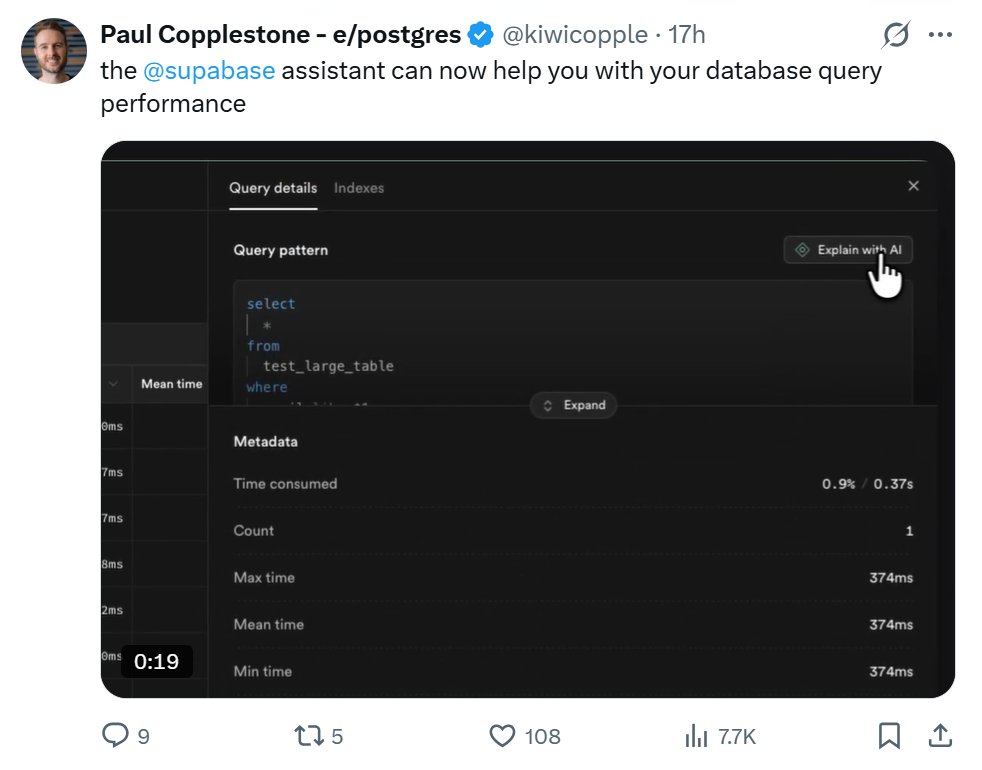
Supabase was founded by Paul Copplestone (CEO) and Ant Wilson (CTO). The duo met in Singapore and went through the Y Combinator (S20) accelerator program. Their mission was clear: make Postgres as easy to use as a NoSQL database without sacrificing relational power.
Paul and Ant are deeply rooted in the open-source community, which has helped Supabase grow to over 96,000 stars on GitHub. Their commitment to transparency and "Launch Weeks" where they ship a major feature every day for a week has built massive trust (EEAT) among the global developer community.
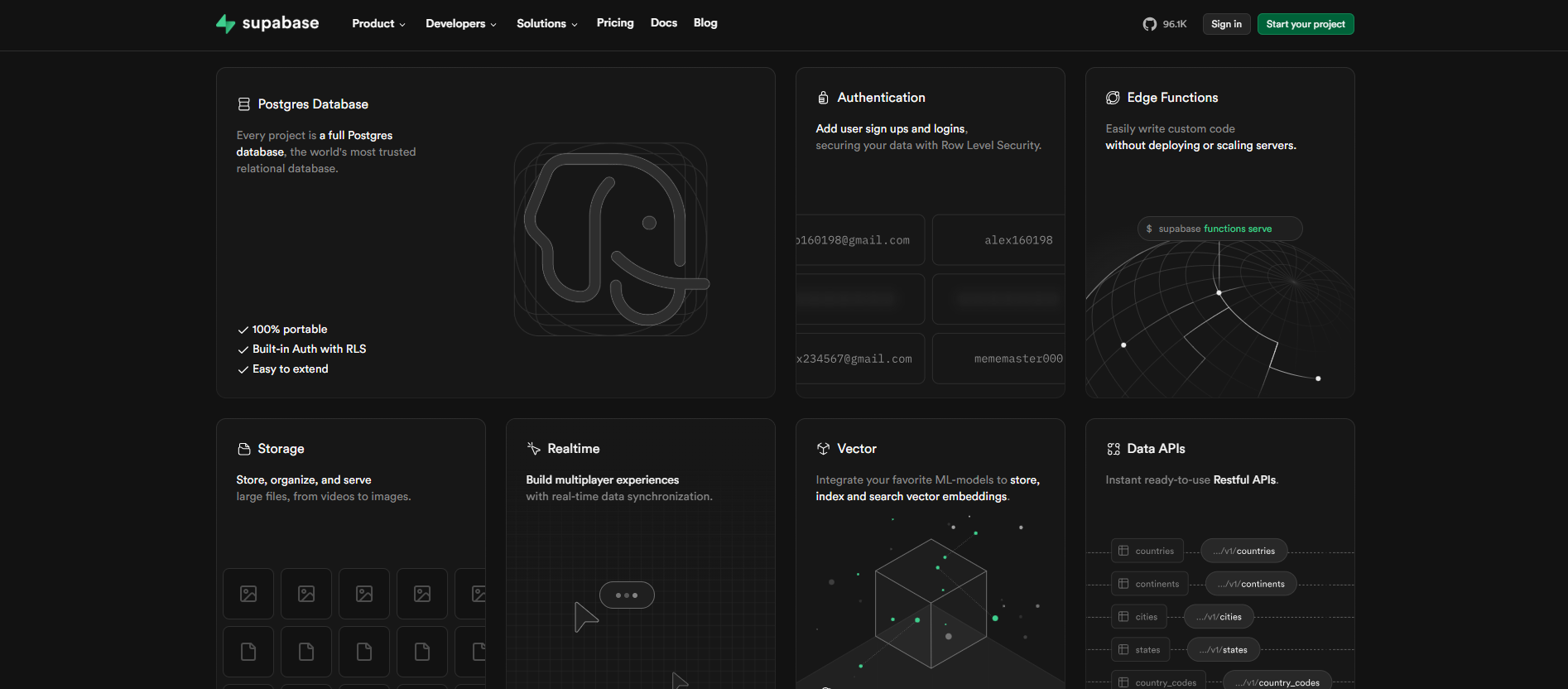
- Full Postgres Database: Every project gets a dedicated Postgres instance. This allows for complex joins, transactions, and the use of the powerful Row Level Security (RLS) system.
- Authentication & RLS: Supabase Auth is built-in, allowing you to manage user sign-ups and logins (via Email, Google, GitHub, etc.) while securing your data directly at the database level using RLS policies.
- Edge Functions: Deploy custom server-side logic globally using Deno. These are perfect for processing webhooks, integrating with Stripe, or running AI models.
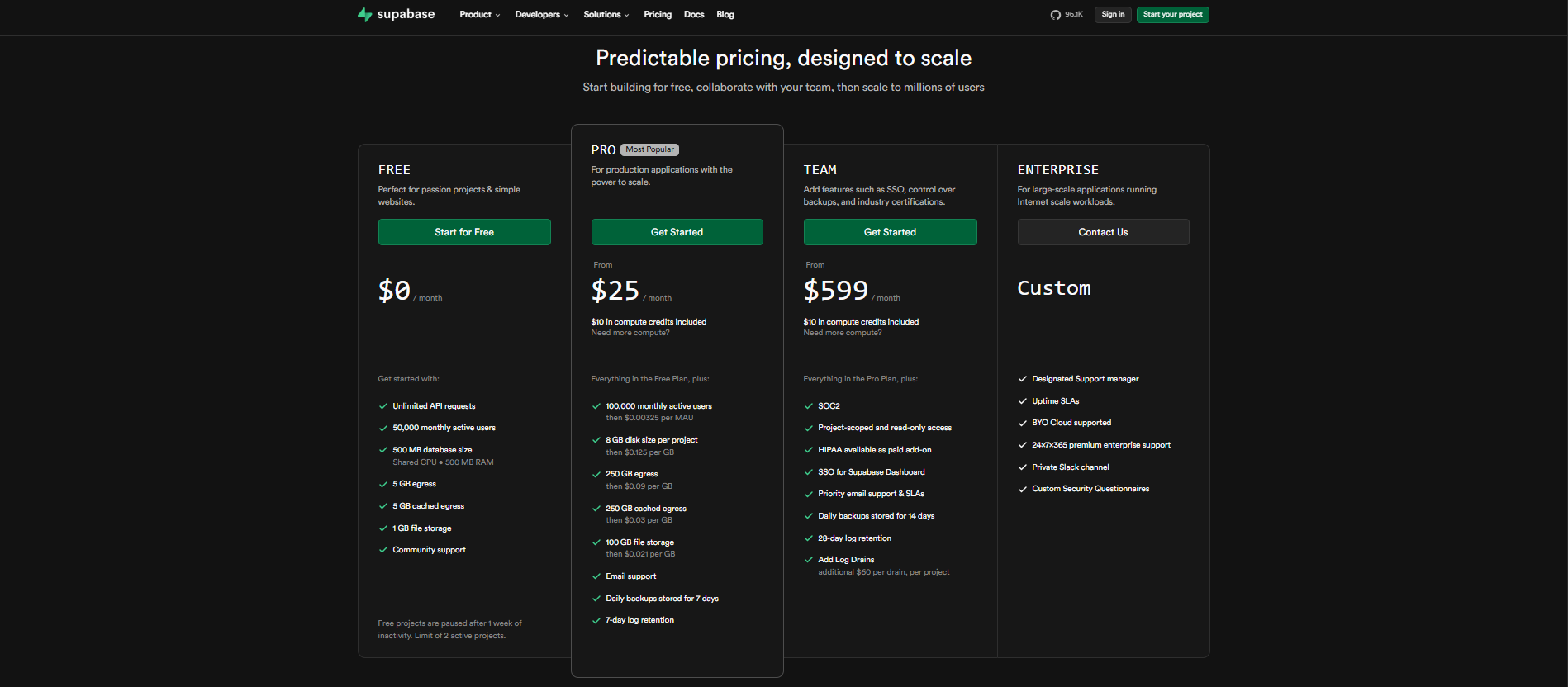
Supabase follows a generous "Build for Free" model:
- Free Tier: Ideal for hobby projects, including 500MB database space and 50,000 monthly active users.
- Pro Plan ($25/month): The standard for SaaS founders. It removes limits on database size (pay-as-you-go) and includes daily backups.
- Team/Enterprise: Custom pricing for large-scale applications requiring dedicated support and HIPAA compliance.
- Firebase: The Google-owned incumbent. Great for mobile apps, but the NoSQL structure can lead to "data spaghetti" as your app grows complex.
- Appwrite: A self-hostable open-source alternative. It's excellent for privacy-first apps, but doesn't have the same "Postgres-first" ecosystem as Supabase.
- Nhost: Very similar to Supabase, but uses GraphQL (Hasura) as the primary interface.
For founders who value data integrity and want to avoid being trapped in a proprietary ecosystem, Supabase is a top-tier recommendation. It combines the speed of a BaaS with the professional-grade power of Postgres. If you are a solo founder or a "Vibe Coder" building with AI tools like Cursor, Supabase's documentation and templates make it almost "too easy" to get started.
Now that you've built a robust backend with Supabase and scaled to your first 1,000 paying users, you face a new, non-technical challenge: Revenue Leakage. As your SaaS gains traction, you become a target for "Serial Disputers" users who use your service and then fraudulently claim a chargeback through their bank to get their money back.
Building a great product with Supabase is the first step; protecting that hard-earned revenue is the second.
1Capture is a specialized revenue recovery and chargeback prevention tool designed specifically for founders who use Stripe. While Supabase handles your data, 1Capture handles your profit protection.
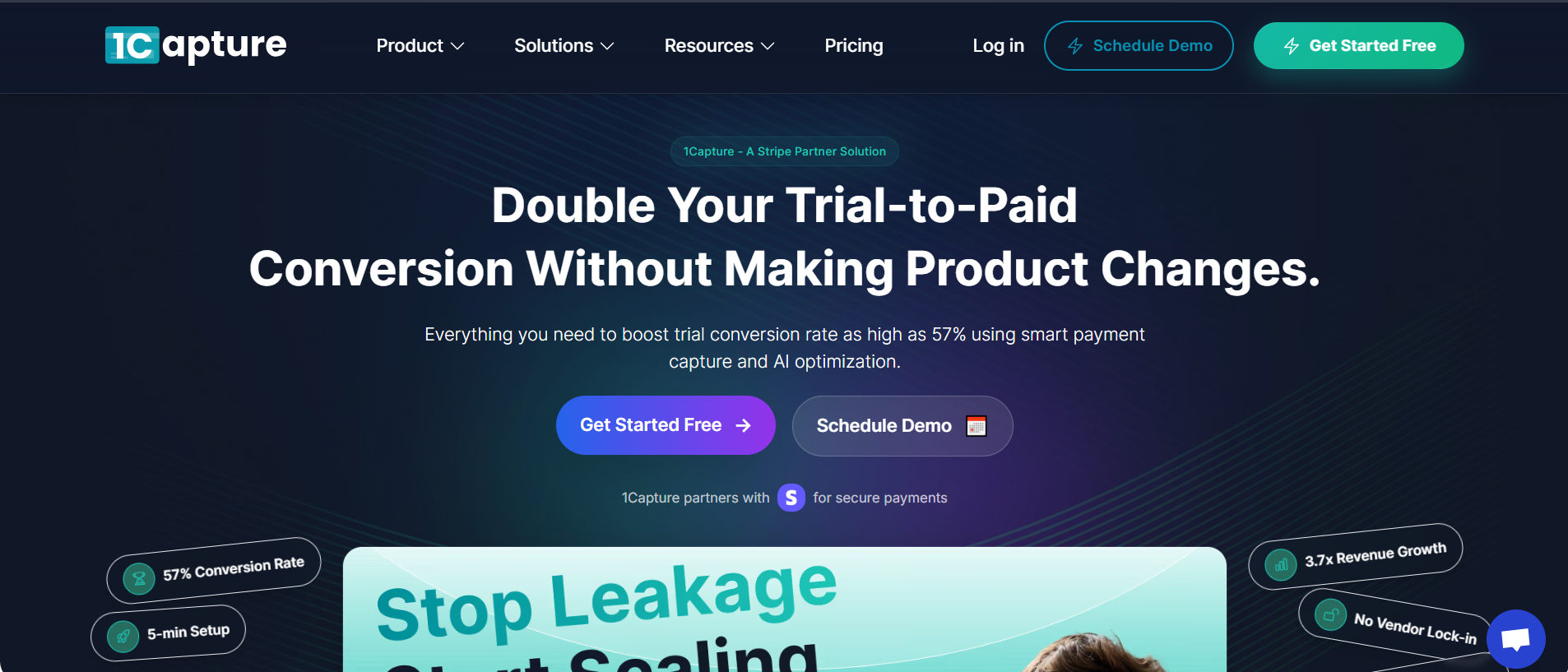
- 5-Minute Setup: As a verified Stripe Partner, 1Capture integrates with your account in minutes. There is no complex coding or "backend work" required.
- Block Serial Disputers: 1Capture identifies and blocks users with a history of fraudulent chargebacks across the network, stopping the bleed before it starts.
- Smart Charge Technology: Our proprietary Smart Charge system uses pre-authorization logic to validate payment methods, reducing failed payments by up to 40%.
- 3.7x Revenue Growth: By eliminating fraudulent churn and recovering failed payments, our users see an average of 3.7x growth in retained revenue.
Scaling with Supabase gives you the infrastructure to grow; protecting your revenue with 1Capture ensures you stay in business. Don't let fraudulent disputes eat into your margins. Explore the 1Capture Blog to see how you can secure your Stripe account today.
Integrate 1Capture with your Stripe account in 5 minutes →